

by Santa Fe Resident (published anonymously for safety purposes)
Eighteen months ago, my son and daughter-in-law moved to Minneapolis as newlyweds. They bought their first home. They were excited about their new city, their new life, their future. They both work from home. They planted roots. They learned their neighbors' names. They were building the quiet, ordinary happiness that comes with beginning adulthood together.
That is no longer the reality they live in.
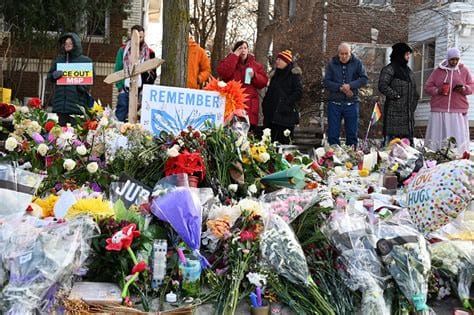
They now live around the corner from where Renée Good was killed and not far from where Alex Pretti was murdered. These are not headlines to them. These are intersections they drive past. These are sidewalks they once walked without thinking.
My daughter-in-law is a naturalized U.S. citizen of Persian descent. She studied, worked, followed every rule, and pledged allegiance to this country. And now she does not leave the house, answer the door or look out a window. Not because she has done anything wrong. Not because she lacks documentation. But because fear has moved in next door.
My son participates in his neighborhood ICE watch as a documentarian — not as someone seeking confrontation, but as someone who believes personal rights and accountability matters. He has witnessed agents deliberately cause a car accident in order to detain a driver they appeared to racially profile. He has watched a neighbor taken while walking from his car to his own front door. He has been tear-gassed and pepper-sprayed while acting as a peaceful observer. Now, he wears a gas mask.
As his mother, I receive the texts.
"Mom, they're here again."
"They're detaining someone."
"I'm okay — just got hit with spray."
There is a particular helplessness that comes with knowing your child is standing in the middle of something that feels wrong and dangerous — and you are thousands of miles away.
I did not raise my son to fear his own government. I did not imagine my daughter-in-law, a citizen, would question whether she is safe walking her own block. I did not think their first home would also become a kind of refuge they hesitate to leave.
The emotional toll is profound. Anxiety hums in the background of every phone call. My son's voice carries a steadiness that wasn't there before — the steadiness of someone who has seen things that cannot be unseen. My daughter-in-law's world has shrunk. They talk about contingency plans. They think about safety in ways newlyweds should not have to.
This changes a family. It changes how parents sleep at night, how holidays feel, and the story young people tell themselves about what this country promises.
And here is the part I want our community to understand: Minneapolis did not think this would be their reality either.
Federal enforcement actions escalated quickly. Neighbors organized quickly. Documentation efforts sprang up because they had to. People scrambled to understand their rights. Churches and community groups tried to respond in real time.
Preparation happened after the shock.
Other communities should learn from that.
If you believe this cannot happen where you live, Minneapolis likely once believed the same. The lesson is not panic — it is preparation.
We cannot control federal policy alone. But we can control how prepared and how united our local communities are.
I do not want any other parent to receive the kinds of messages I receive. I do not want any newly married couple to feel their world narrowing because enforcement tactics have become indistinguishable from intimidation. I do not want citizenship to feel conditional to those who have earned it. I do not want those who came to this country seeking a better life to live in fear of the streets they call home.
Minneapolis is still a city of strong, resilient people. My son and daughter-in-law are still brave, thoughtful, and committed to their neighbors, regardless of citizenship status. But they are changed. We are changed.
Let us learn from that change — and organize before the next crisis arrives. Let us build networks before fear moves into our neighborhoods too, and make sure that when enforcement comes, it meets a community that is informed, connected, and grounded in dignity and constitutional rights.
Preparation is not extremism. It is stewardship. It is neighbors protecting neighbors. It is a young man in a gas mask standing in the street for people who cannot stand there themselves.
For families like mine, it is an act of love. And I have never been more proud.


