by John Scott, DOM
Our economy and all of our social and economic structures are in transition. Technology is the biggest driver of change. There are certainly a number of other factors. The ways that our economy worked in the mid and even later 20th century no longer suit the needs of humans. Transportation and communication are the significant drivers of change in economies and how social structures function.
Let us consider our historical energy infrastructure. Fossil fuels brought the biggest changes in transportation and communication in thousands of years. First coal and steam engines brought on the first industrial revolution. The second industrial revolution was fueled by petroleum and natural gas. The internal combustion engine along with radio and television made the 20th century boom especially in the west.
We are now entering a new era fueled by renewable energy and internet technologies. Humans are more connected by communication technology than ever before. The advent of cost effective renewable energies has the potential of decentralizing power structure as never before. Of course the centralized power structures will not merely just meekly retire.
Let us look at some history. In the first half of the 19th century in the US the greatest accumulation of wealth was centered on cotton. In particular, it was the humans held in bondage as slaves that were the greatest sum of wealth or, as is said accumulated assets. As the 19th century progressed England and other European countries outlawed the slave trade. In the northern US the abolitionist movement gained momentum and strength. It took the Civil War and the deaths of over 600,000 Americans to finally abolish slavery and to remove those “assets” from the “owners”. The slave owners would not voluntarily give up the practice of slavery and give up their human “property”.
Now, in the beginning of the 21st the accumulative effects and damage for burning fossil fuels is changing our atmosphere. The rising temperatures threaten the very viability of our post-modern civil structures. Crop disruption, migration and refugees on an unprecedented level are and will disrupt the stability of nation states. The drought in Syria was the most significant factor leading to the break down on the political and social structure in that country. Over the course of the 20th century the human population went from over 1 billion to nearly 7 billion. Inexpensive fossil fuel was a significant factor in the population explosion. Increased population contributed to increased energy consumption.
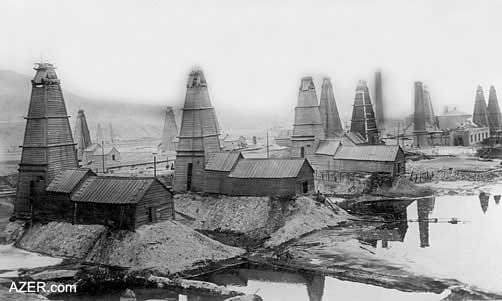
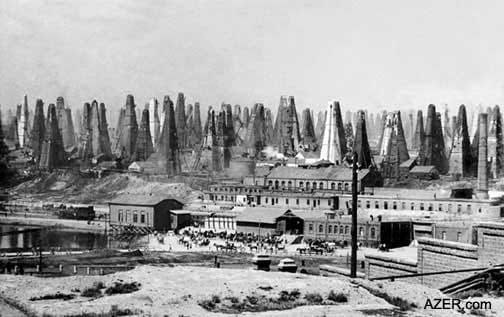
Mining of minerals and fossil fuel are extractive industries that naturally cause environmental damage. Large scale gold mining in the western states is devastating to the local terrain. Baku in Azerbaijan was an early area of intense extraction of oil. The local area still bears the scars of this activity.
Hydraulic fracturing is a relatively innovative technology that has greater environmental impact than the more conventional drilling techniques. The damage to water resources and the local exposure to toxic chemicals are truly hazardous to local populations. The long term effects may not be totally known at this time. In areas like New Mexico where water resources are not abundant we are particularly concerned about the enduring damage to our water resources. Water is essential to our agricultural economy, population and other industries. The oil and gas industry does not want strict regulations that protect the water, provide for damage to roads and to protect workers and residents from chemical exposure. They assure the public that they will be responsible corporate citizens. How this industry can be trusted when the chemicals that they inject in the earth are secret and that as an industry they are exempt from many environmental regulations.
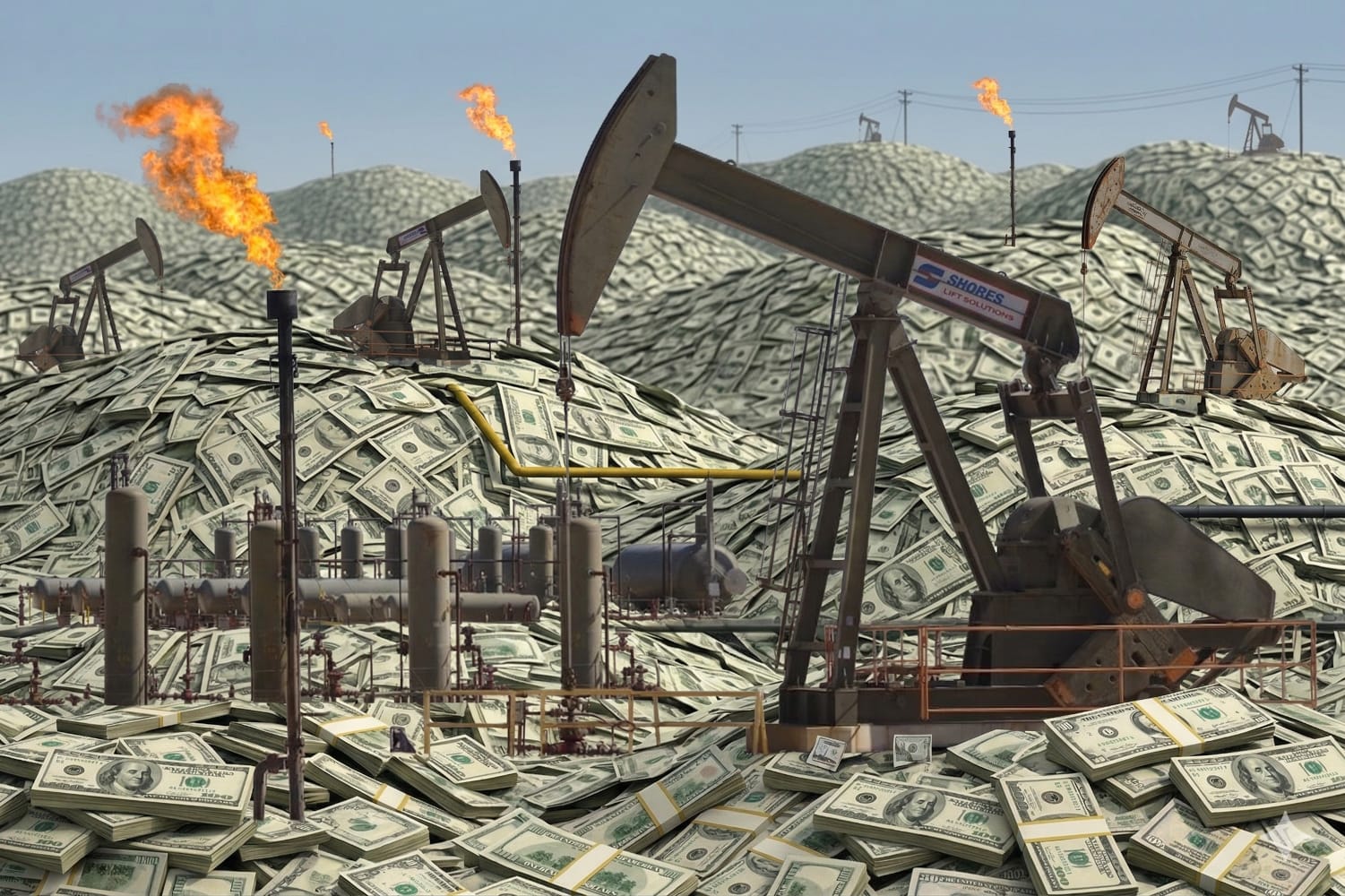
The oil and gas interests have trillions of dollars’ worth of assets in the ground. Much of the general public would prefer that for the sake of the future survival of the human species that these assets are left in the ground where they lie. Understand that the oil and gas interests are the most profitable and power force on our planet at this time. What would it take to convince these interests to do this? It could be that like slavery a war would be fought over this issue. We could even say that the war has already started. The war is about the extraction infrastructure. It has been happening at Standing Rock over the proposed pipeline. It is happening in New York and Pennsylvania regarding regulation. It continues to happen in Sandoval County.