Tycoon J. Paul Getty, once the world’s richest man, offered this advice for those seeking fortune. “Get up early, work hard, and strike oil!” Tongue-in-cheek, he confessed that his great wealth came mostly from luck.
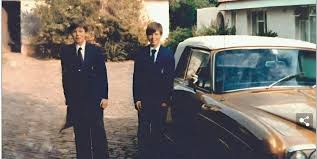
Today the luck of the draw comes from being born to wealthy parents. The twenty-first century’s richest man, Elon Musk, rode to school as a child in a Rolls Royce, the scion of a South African father who owned an emerald mine. Donald Trump, with an estimated worth of over six billion, was earning over 200,000 inflation-adjusted dollars a year by age three from his daddy’s real estate empire. Rob, Jim and Alice, the heirs of their father Sam’s discount retail business, are now each worth more than a hundred billion. (It pays to be named Walton.) Even J. Paul Getty won the birth lottery. In 1914, his papa gave him $10,000 (the equivalent of $320,000 now) to invest in purchasing a drilling site near Haskell, Oklahoma. A year later, the twentieth-three-year-old was a millionaire.
Forbes reports that over one third of the world’s billionaires inherited their money. Does that mean the majority earned it, through innovation or creativity or the proverbial sweat of their brow? No. According to Fortune magazine, another third got their dough via cronyism, corruption, or monopolistic practices to stifle the competition. In other words, they stole it, knew people, or ripped off the public.
Politicians on the right complain about the undeserving poor, but what about the undeserving rich? They are the ones who write the tax codes, so that, as Senator Bernie Sanders points out:
In America today, billionaires now pay a lower effective tax rate than the average worker. Elon Musk paid an effective tax rate of less than 3.3%, while the average truck driver paid 8.4%. Jeff Bezos, now worth $223bn, paid an effective tax rate of less than 1%, while the average firefighter paid 8.7%.
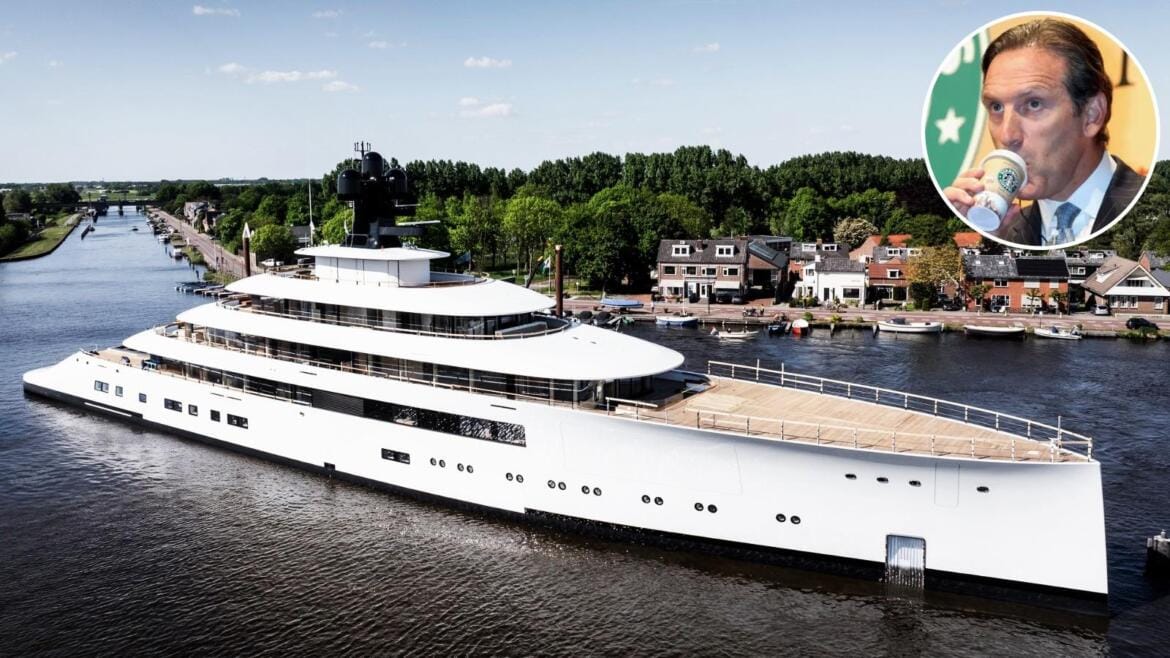
Sanders is not the first to propose a wealth tax that would help level the playing field. The five percent he advocates would cost Facebook and Instagram CEO Mark Zuckerberg an additional $11 billion annually, leaving him just over $200 billion to pay rent and put groceries on the table. Poor fellow! Washington State—which has no income tax—recently passed a 9.9% surcharge on incomes over one million dollars, roughly the same rate that middle-class homeowners pay in property taxes. The base for Amazon, Microsoft and other tech giants, Washington can’t fund its schools or other basic services and desperately needs the revenue. Will Seattle's billionaires all move to Florida, like Starbucks CEO Howard Schultz, who just purchased a $44 million penthouse in Miami, to escape shouldering their fair share? Shame on them!
I wasn’t born to wealthy parents. When my dad died at the age of thirty-eight, my mother managed to save the Social Security survivors benefits coming our way to help send me to college. I’ve done okay. But I’m smart enough to realize that I’m not a self-made man. I owe a lot to my family, to the public schools I attended, and especially to Medicare that saved my life when I was in my twenties by paying for an organ transplant after I discovered I had inherited the same kidney disease that killed my father. For all that, I’m indebted. I have an obligation to give back to my neighborhood, my community and my nation.
“Taxes are the price we pay for a civilized society,” according to the late Supreme Court Justice Oliver Wendell Holmes. And if America today seems disjointed, mean, angry, chaotic and venal (in a word, uncivilized) it is because the rich are not paying what they owe. Far from it. They are freeloading. Meanwhile, we are all paying the price.