With Thanksgiving just behind us and more holidays to look forward to — or dread — many of us have had some unpleasant arguments with family members with very different political views. Would that we could invite Leslie Jones to the table to ease the tension!


But what if there were a good way to help people of different political persuasions begin to question their beliefs and even adopt more progressive views?
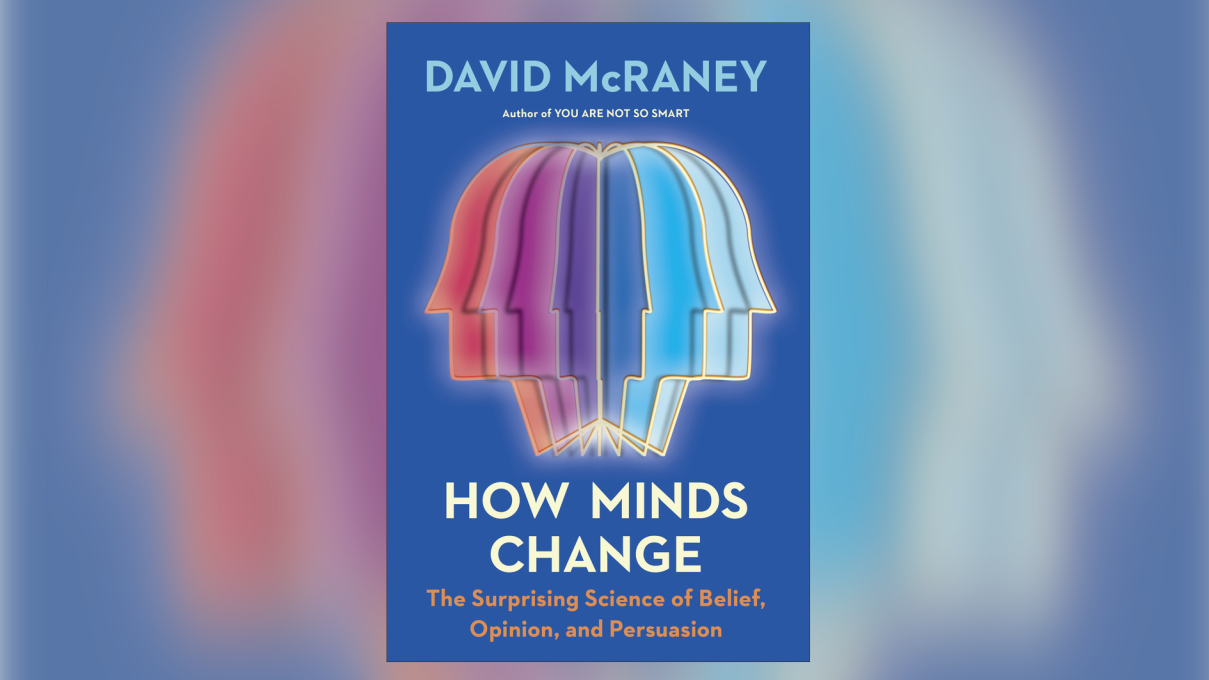
David McRaney’s book How Minds Change offers hope in converting at least some MAGAts to slightly more liberal views. It also reminded me of what a Colombian colleague (Gil Peñalosa of 8-80 Cities) says about encouraging cycling. There are people who will cycle in cities no matter how dangerous it is and how atrocious the infrastructure. There are others who will never cycle, no matter how great the infrastructure. Our focus should be on converting the large group in the middle. A method isn’t a failure if it doesn’t work on everyone, and in politics, it takes only small changes in some people’s mindsets to make big changes. Having McRaney reinforce that, and talk about how changes can sweep across societies, reinforced my eternal optimism. If nothing else, the book makes clear that stating facts is almost never an effective way to convince someone to change their mind.
The science behind how people make decisions, the difference between beliefs and attitudes, the possibilities of converting people even on contentious topics like abortion and gay marriage, and the way that new beliefs can sweep across entire societies and nations, are all fascinating.
As for the various techniques that have been tested to get people to reconsider their beliefs, here are some basic steps. It is vital to learn how to do them properly, and different methods have variations on them.
- 🤝 Establish rapport/build trust. The conversation isn’t about shaming someone for what they believe.
- Ask them to rate the strength of their belief.
- Share a story or try to elicit a personal story about the issue. Don’t use facts! Don’t challenge the person!!
- Ask how they arrived at the belief and what might cause them to change their mind.
- Repeat what they’ve said in their own words.
- Ask them again how confident they are about their belief.
- 👋Wish them well and get on with your day (or your meal).
If you don’t want to read the entire book, I would suggest at least learning about deep canvassing. It is astonishingly successful at changing people’s minds enough to get them to vote differently, often based on a fairly short (15-20 minute) conversation. That certainly seems a tool worth acquiring! And if nothing else, you can learn the basics to help make the next holiday meal less conflictual and more enjoyable.
 The New Conversation Initiative