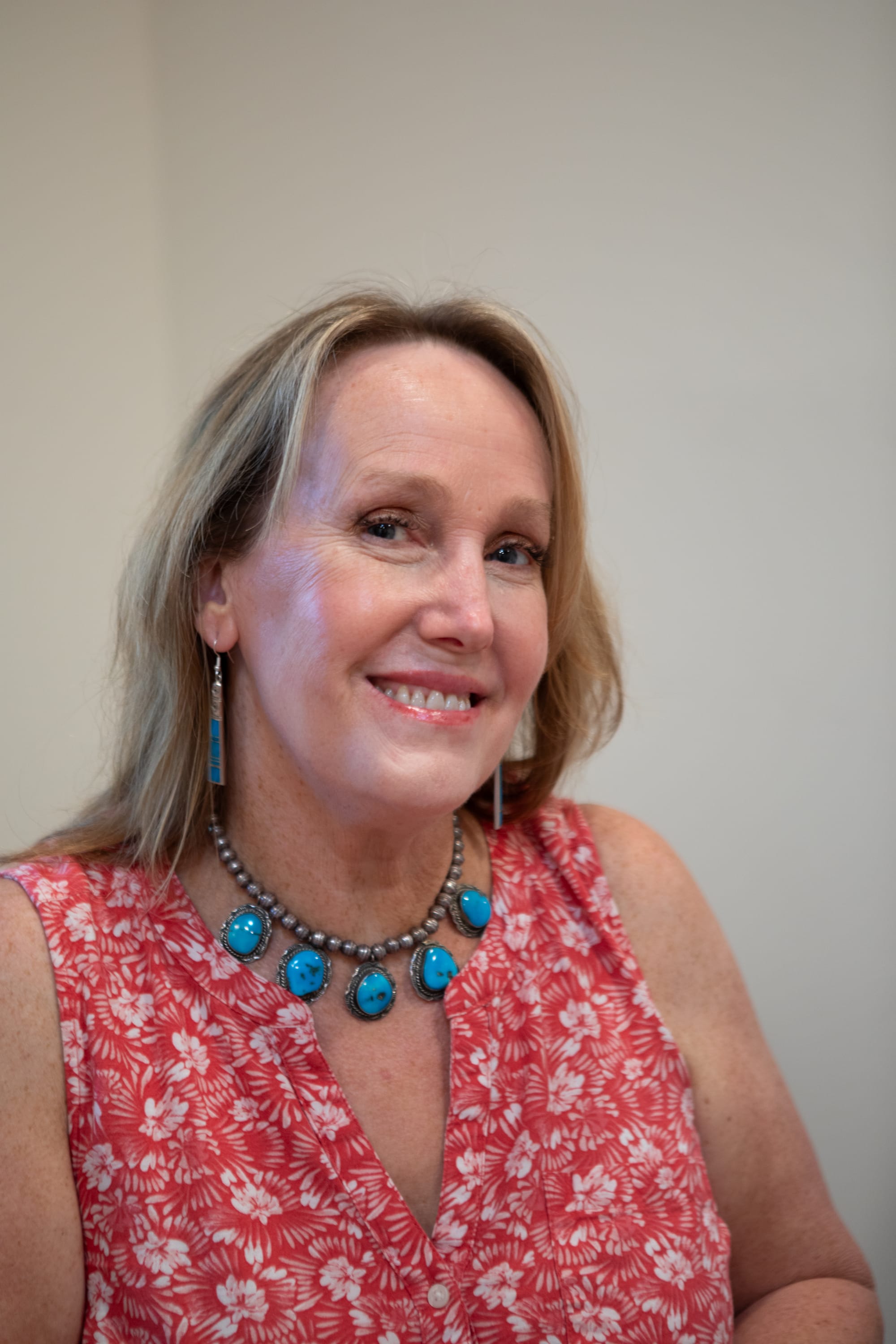
For those of us needing a little break from the national and local news, here is a blog about my recent trip to South Asia.
Last December, after a lovely trip to Spain and Istanbul, I returned to Dhaka for a couple of months. I lived there for 24 years before moving to Santa Fe. The city was, as usual, dusty, congested, and polluted. My first few days back, there was no electricity in our neighborhood, so I read by candlelight and heated my bath water on the gas stove.
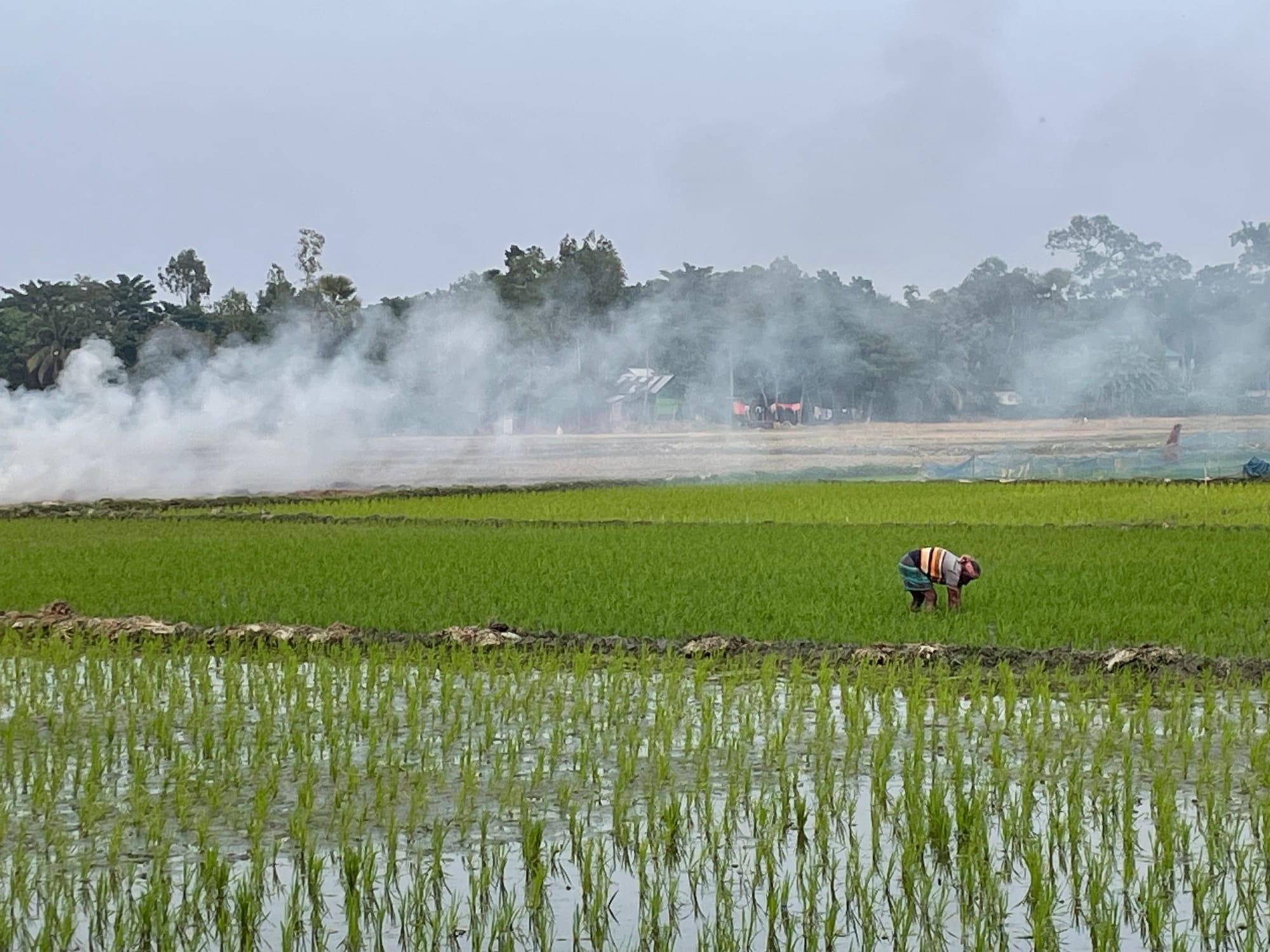
An op-ed in the paper made the (obvious to me) point that the government should call a national emergency over the unbearable air pollution. Being outside was sufficiently miserable, despite the current cool weather, that did most of my walking on the rooftop of my home and office. A week or two into my stay, on a rare day when I ventured out for a morning walk, a rickshaw ran over my foot. Fortunately, the vehicle was light enough not to do me any harm, though I did find myself shouting my one curse word in Bengali, then more expansively in English: “Wedded be thou to the hags of hell!” at the hapless driver.
It had been roughly 16 months since the student revolt toppled the autocratic leader Sheikh Hasina. Elections were finally scheduled, for February 12. People did not seem particularly optimistic about the future. One young woman said that she had nobody she wished to vote for. “Then vote for the least bad of the candidates,” I suggest. But what information is she to trust to determine who is the least bad?
I did not leave until the day after the elections. They passed off peacefully, and people were able to cast their vote (not always a reality in the past). The reports I witnessed on local TV were that the elections went smoothly. I went for a long walk a couple of hours after the polls closed and was relieved to see no sign of violence despite the large number of men lingering outside. Funny how odd it feels when an election occurs peacefully.
The times surrounding the election, however, were not so positive. A headline in the newspaper read, “Government urges citizens to resist mob violence” next to a larger one about attacks on major newspaper offices. A couple of cultural organizations were also attacked. A young Hindu woman I met told me that her parents, who had withstood decades of violence, were finally planning to flee the country.
Another young woman reacted in shock to the information that there are thieves in North America. “I thought that the police catch them all and throw them in jail,” she says. She is also confused about the existence of homelessness and hunger in the US. Why exactly do those exist? She can understand it in Bangladesh, but in the US?
I ask a colleague what he is hearing about Venezuela. “The newspapers are saying it’s about drug smuggling,” he replies, “but if you read intellectuals, they explain that it’s about oil.” He thinks for a moment, then adds, “Isn’t it a bad idea to destabilize a country?”
It was good to be back among my colleagues and my interns. I was particularly relieved to be out of the US for a while. Being here reminded me both how lucky many of us in the US are and how much damage the American government has done and continues to do around the world.
But I’m an eternal optimist, so let me end this short dispatch on a happier note. I fled Bangladesh due to extreme heat, as well as pollution and other factors. (Dhaka is considered to be one of the ten least livable cities in the world. How is Dhaka in the same category as Caracas, Kyiv, and Karachi?) But my colleagues persist. They complain about the heat and the congestion. Some of them suffer from breathing problems. And yet they are determined to do something to improve their city and country, and I am honored to be in a position to support their valiant efforts and humbled by their dedication. If, despite all the obstacles, they refuse to give up hope, then we Americans certainly should keep fighting and keep believing in the better world we seek to create together.